Choose a biscuit joiner by the joint it needs to locate, the cutter geometry and the buyer’s power format. A board-edge joint needs a repeatable reference face. A mitred assembly adds a fence-angle and locating check. Record the material, board thickness and biscuit sizes before you compare models.
| Model | Cutter and listed settings | Order decision |
|---|---|---|
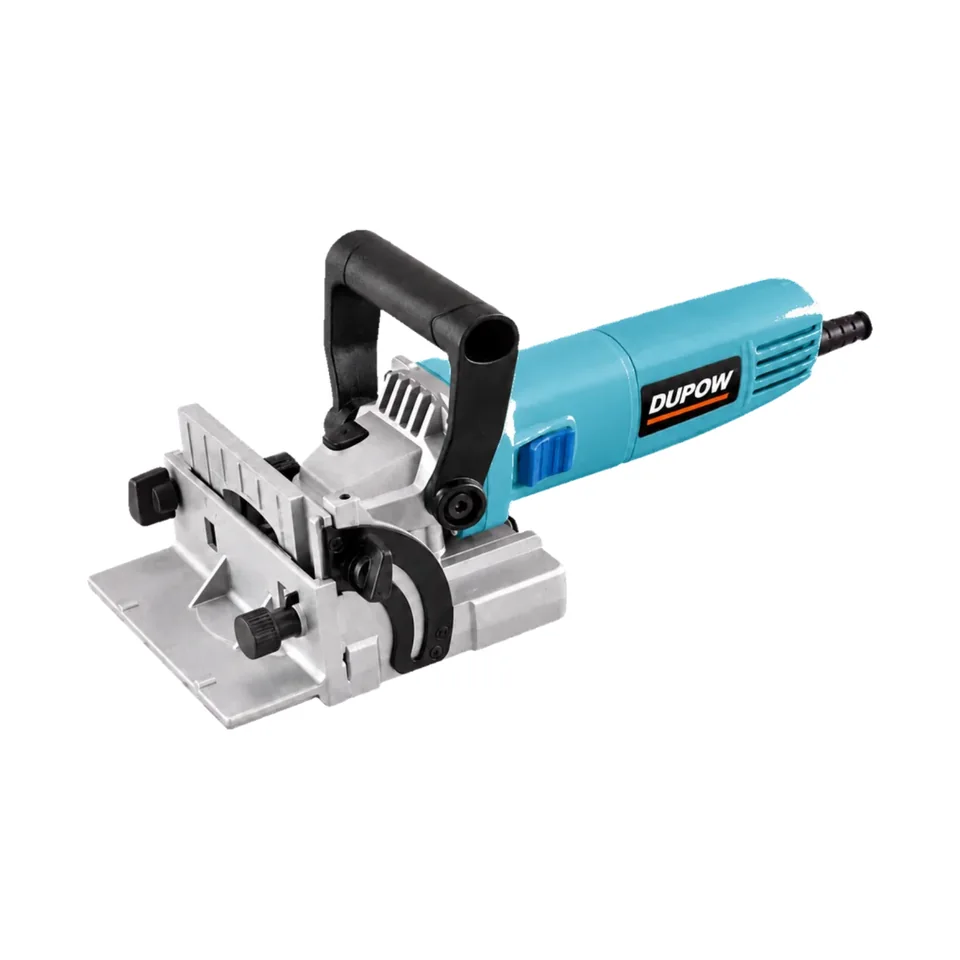
| DUP-BJ-001 | 100 mm blade; 8–18 mm cutting depth; 0–90° fence | Confirm the depth stops and fence settings needed for the sample joint |
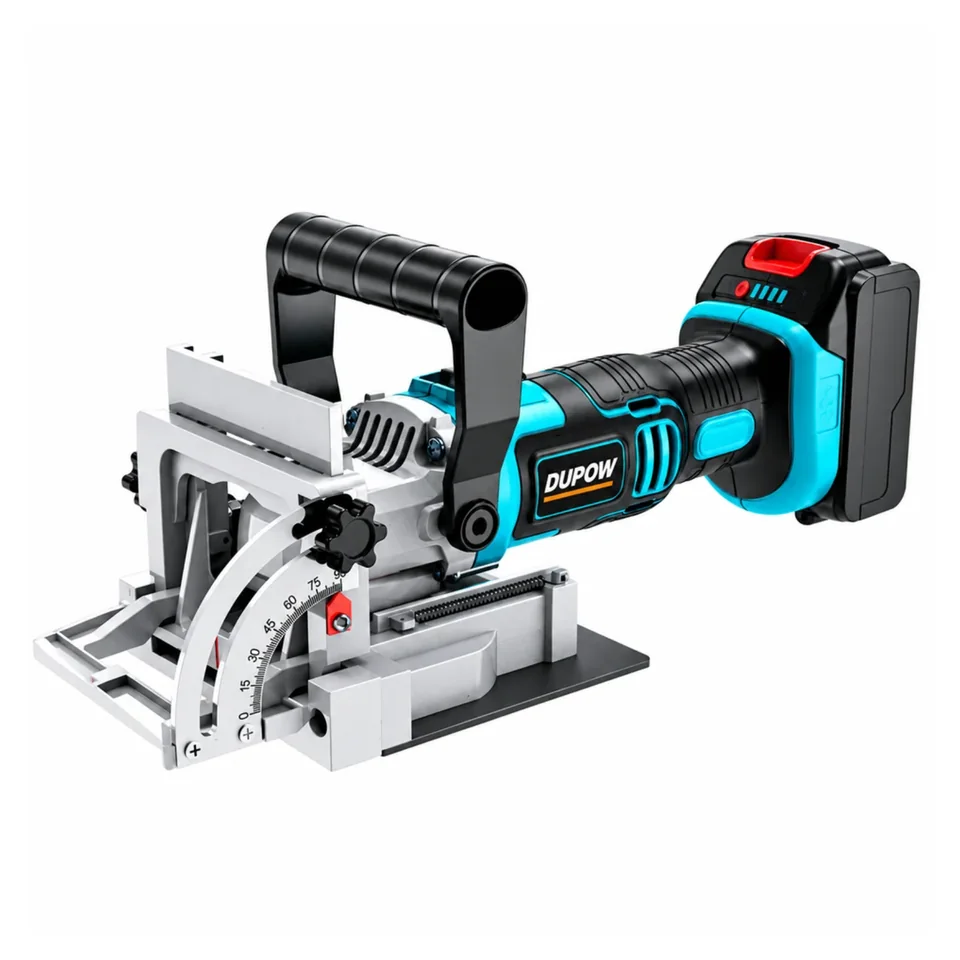
| DUP-BJ-002 | 100 × 3.8 mm, 6 teeth; #0, #10, #20 | Identify the battery interface and quote the chosen power package |
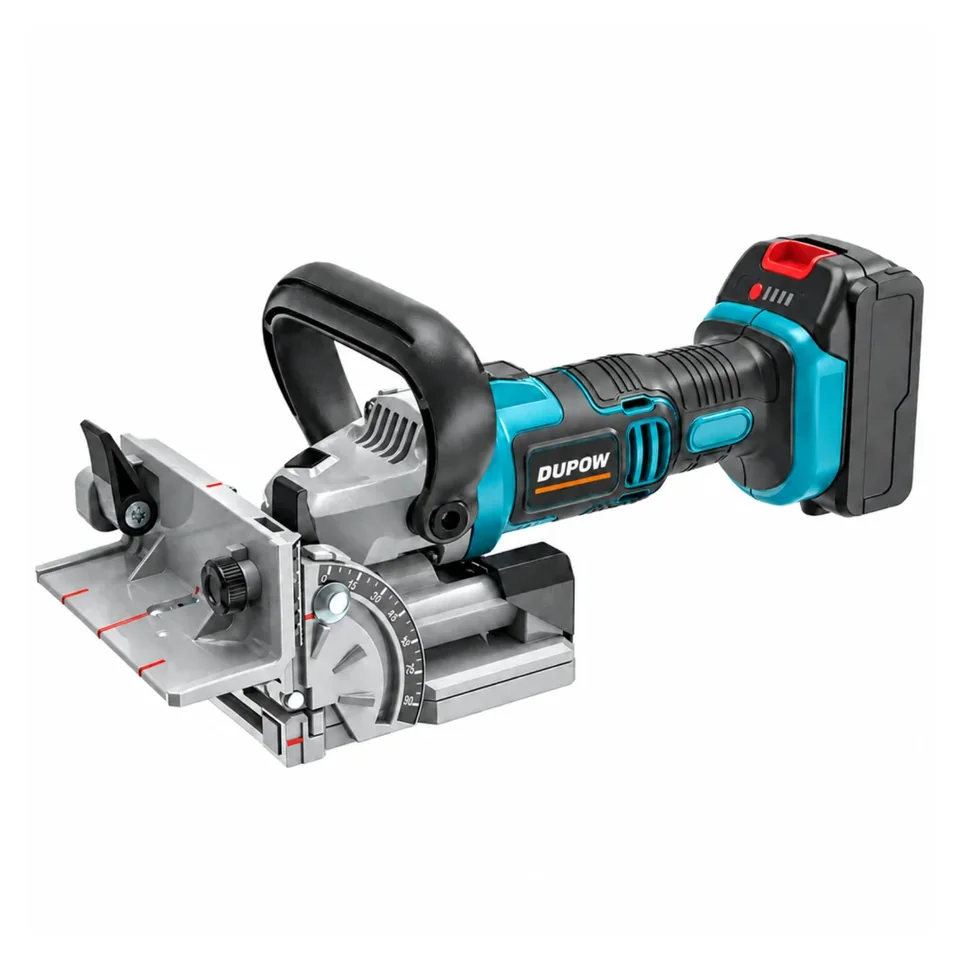
| DUP-BJ-003 | 100 × 3.8 mm, 6 teeth; #0, #10, #20 | Bare tool; itemize any separately ordered power components |
Specify the sample joint
Request two coupons of the intended panel thickness. Ask the reviewer to set the fence using the same reference face and record the selected biscuit and the slot location before assembling the pieces. Include one second setup if the buyer expects angled joints. Document what the sample actually does rather than transferring a fence angle or depth range from another model.
Make replacement parts traceable
Keep a cutter reference, bore or mounting detail and exact diameter and width with the order file. Include dust adapters and guides by part number where offered. For cordless stock, separate the model’s bare-tool and kit offers and record the approved pack interface.
Buyer FAQs
Does a biscuit size alone identify the replacement cutter?
Keep biscuit size and cutter dimensions in separate fields. Confirm the mounting geometry before stocking the cutter.
Are the two cordless offers identical kits?
BJ-003 is listed as bare tool. Use the order contents for each model to establish what ships.
Read the related guide on How to source a private-label power tool manufacturer and build a coherent range or request a model-specific quotation with the configuration you need.