A grass-trimmer assortment is easier to explain when each model has a defined cutting and handling role. For a wholesale buyer, the cutting attachment, its stated size and the way the machine is supported are useful starting points. Voltage alone does not show how three products should sit beside one another in a distributor's catalogue.
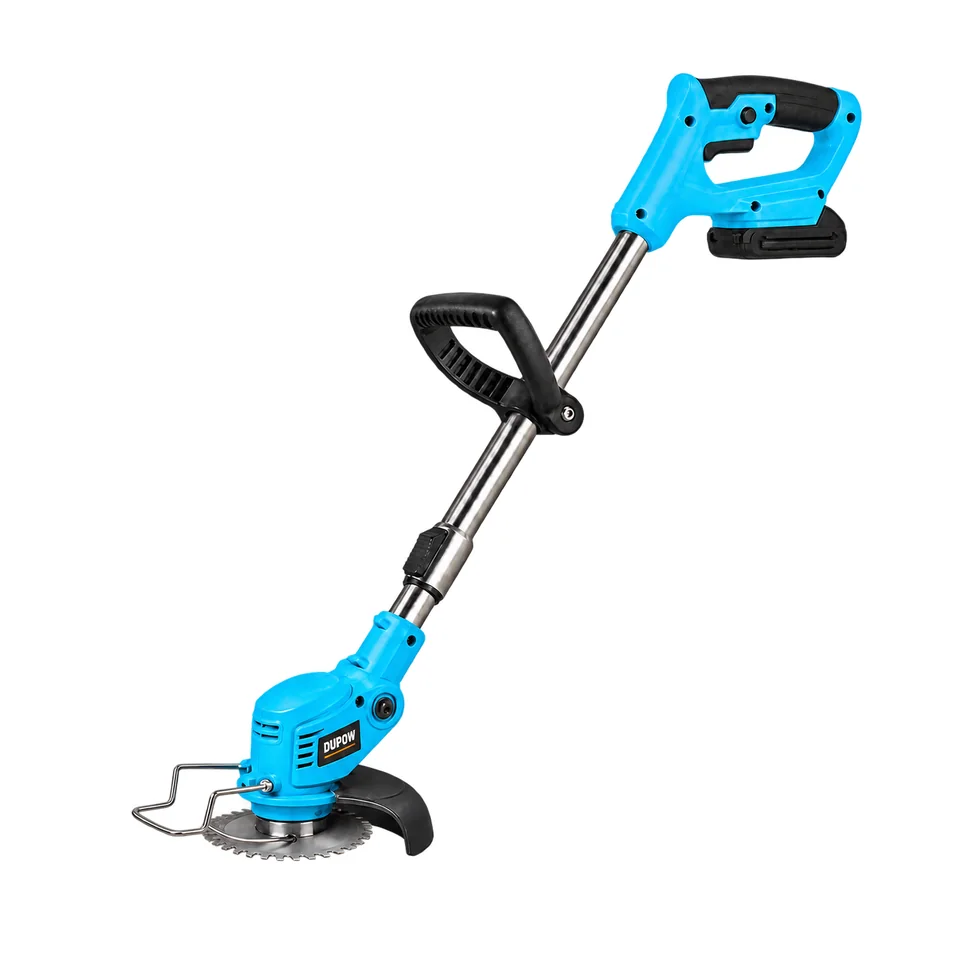
DUPOW's DUP-GT-004, DUP-GT-005 and DUP-GT-006 provide three 20V positions to review: a telescopic model with a 6-inch blade entry, a telescopic model with a listed 125 mm cutting diameter, and a wheeled model with a listed 255 mm cutting diameter. The purchasing task is to match the selected format and attachment package to the customer brief.
Define the cutting and access requirement
Describe the intended grass-maintenance task, the areas the customer needs to reach and the preferred handling format. Keep low grass trimming separate from a request to cut woody branches or trim a hedge. Those tasks should not acquire the same capacity description simply because all the machines are battery powered.
For a distributor, this brief can be a short list of selling situations and the accessories needed for each one. For an ecommerce buyer, it should also identify which configuration the photographs and package contents will show. The resulting model shortlist can then be discussed without making a general claim that one cutting size is best for every job.
The 20V platform guide helps organize the battery and kit side of a broader assortment. Keep this article's model decision focused on the grass-trimming task and machine format.
Retain the original cutting-size description
A blade-size entry and a cutting-diameter entry should keep their labels. For GT004, the stated cutting blade is 6 inches. GT005 and GT006 list cutting diameters of 125 mm and 255 mm respectively. Present those entries with their corresponding models instead of treating all three as a measured working-width comparison under identical conditions.
| Model | Stated cutting entry | Handling position | Additional listed specification |
|---|---|---|---|
| DUP-GT-004 | Cutting blade: 6 in | Telescopic grass trimmer | Weight without battery: 1.3 kg |
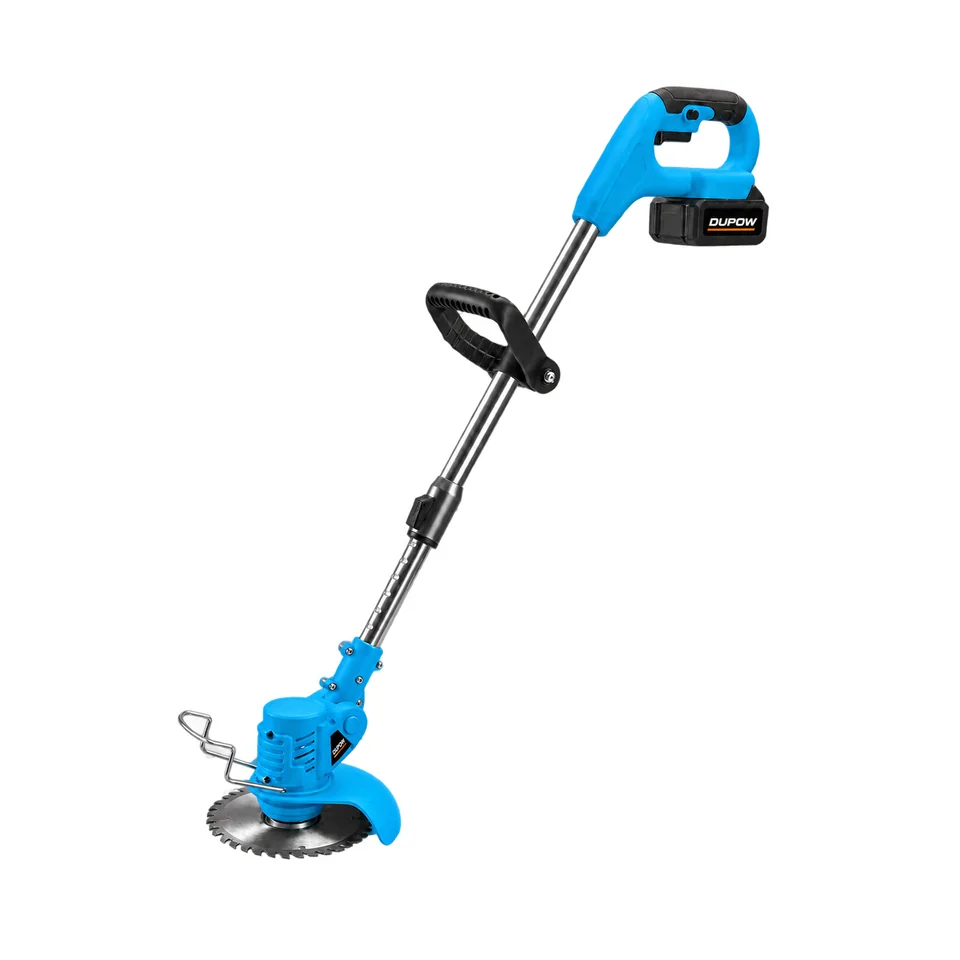
| DUP-GT-005 | Cutting diameter: 125 mm | Telescopic grass trimmer | Rated power 600 W; no-load speed 4,600 r/min |
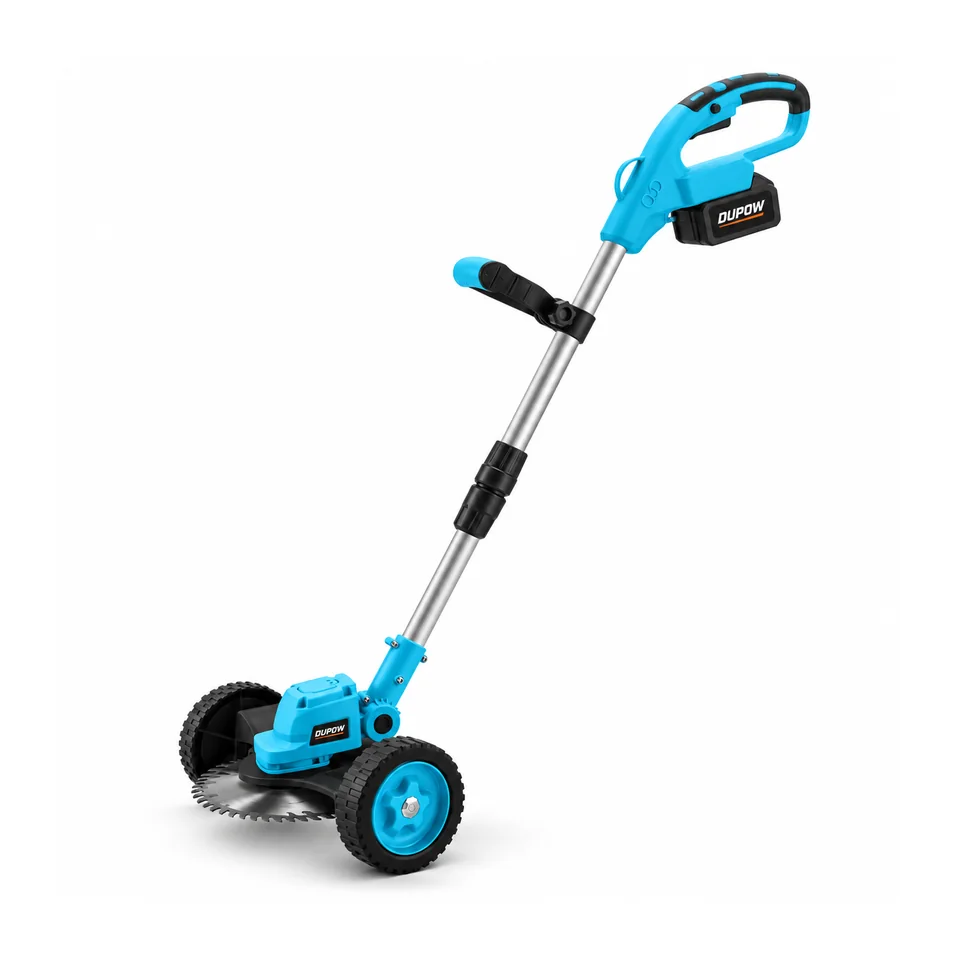
| DUP-GT-006 | Cutting diameter: 255 mm | Wheeled grass trimmer | Rated power 300 W; no-load speed 5,000 r/min |
The figures describe the listed configurations. They are not a timed cutting-output test. Use the agreed attachment and sample task when reviewing how a chosen model fits the customer's requirement.
Give the cutting attachment its own identity
Specify the head or blade to be supplied with the exact model. Include the part reference or an agreed photograph, quantity and any additional attachment the buyer wants priced. This prevents a product photograph showing several possible items from becoming an ambiguous promise about everything in the box.
STIHL's cutting-head and blade instruction overview organizes information around named attachment models. That is a useful example of keeping accessory identity specific. It does not establish compatibility between STIHL attachments and DUPOW tools.
For the DUPOW order, keep the machine, attachment and accompanying instructions together in the configuration record. Replacement attachment requests should refer back to that approved record rather than a generic “20V trimmer” description.
Review telescopic and wheeled formats as different choices
GT004 and GT005 are described as telescopic models, while GT006 has a wheeled format. Show the handling arrangement clearly when presenting the range. The support structure is part of the selection, not simply a cosmetic difference between photographs.
Review the sample with the quoted battery and attachment. Ask the reviewer to identify the controls, adjustment points and supplied support components. Record the configuration used whenever handling forms part of the buying decision. Do not assign an unmeasured reach or adjustment length from the appearance of a photograph.
For a retailer, the model page should explain the actual structure and contents in direct language. Keep optional components out of the standard package description unless they are included in that retail SKU.
Define the complete retail offer
List the tool, cutting attachment, battery reference and quantity, charger version and packing format. Give separate contents lists to a tool-only offer and a battery kit. The 20V description should not be used as a substitute for approval of the actual tool, battery and charger combination.
An ecommerce team should work from the same contents list as the quotation team. Match the main image, attachment detail and package description to the chosen model. Keep photographs of alternative configurations clearly identified so the customer can understand which offer is being purchased.
Review the grass-trimmer category to see the model range. If the assortment also includes branch work, use the separate pruning-shear buying guide to keep that task in its own product position.
Buyer FAQs
Which models have a telescopic format?
DUP-GT-004 and DUP-GT-005 are described as telescopic grass trimmers. DUP-GT-006 has a wheeled format. Review the quoted structure and components with the sample.
Is the 6-inch blade entry the same field as cutting diameter?
Keep the original label with each specification. GT004 lists a 6-inch cutting blade, while GT005 and GT006 list 125 mm and 255 mm cutting diameters. A common-size label does not establish identical test conditions.
Are all pictured heads and blades included?
The itemized quotation defines the selected attachment package. Identify the supplied head or blade, quantity and any additional items separately.
What should a grass-trimmer RFQ include?
Include the model, intended task, handling format, cutting attachment, quantity, battery and charger configuration, destination, branding and packing requirements.
Request a grass-trimmer assortment with the tasks and supply formats you want to offer.