Order the electrical version for the destination and workplace: rated voltage, frequency, plug and cable belong on the same specification. A different plug does not turn a 110V tool into a 230V version.
A purchase-ready decision sheet
| Decision field | Purchasing record |
|---|---|
| Destination | Country, sales channel and intended workplace; distinguish retail use from a specified site supply. |
| Tool rating | Exact model and approved voltage/frequency entry; retain a range only where the selected version supports it. |
| Connection | Plug and cable specification for the complete offer, including any separately supplied charger. |
| Approval evidence | Quotation, sample rating label, instructions and model-linked documents describing the same version. |
A model example: separate a stated rating from a new request
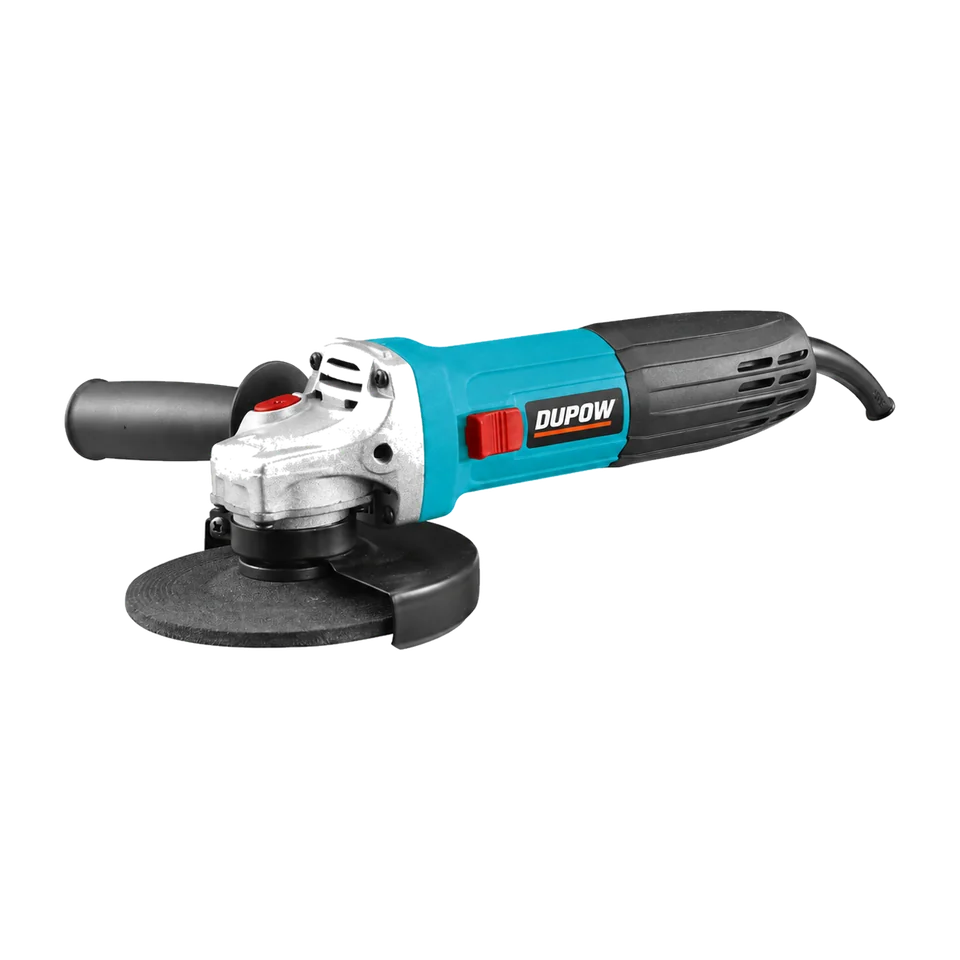
DUP-AG-006 is listed as a 750 W, 125 mm corded grinder at 230 V/50 Hz. Use those stated entries together. If an inquiry asks for 110 V/60 Hz, record it as a request for a different electrical version; do not present the 230 V page as evidence of that version.
Write the requested version in the RFQ and match the supplier reply to the sample label. The UK HSE construction guidance distinguishes construction-site electrical arrangements from ordinary domestic equipment. Use that guidance for its stated workplace context, alongside the destination requirements.
Choose your destination, not an assumed region
Identify the destination supply and intended workplace using current local requirements and the selected tool’s approved rating. Household supply assumptions do not establish a construction-site specification.
Check frequency and the complete electrical configuration
A product marked for one voltage is not automatically suitable for another, and 50 Hz versus 60 Hz can matter depending on the motor and design. The approved configuration should identify rated voltage, rated frequency, plug, cable, insulation class and any market-specific protective features.
Do not confuse site-voltage practice with household supply
Some professional jobsites use reduced-voltage systems for particular tools or conditions. That does not mean every product sold in the same country should use that voltage. State the intended sales channel and use case so the correct configuration can be evaluated.
Review documents and labels after the configuration is frozen
Changing voltage can affect components, performance data, markings and supporting documentation. Choose your source-model relationship and applicable requirements after the final electrical version is selected. DUPOW’s public evidence summaries help buyers find reviewed associations, while order-specific evidence is reconfirmed before release.
Buyer checklist
- Destination country and intended channel
- Rated voltage and acceptable range
- 50 Hz, 60 Hz or approved dual-frequency configuration
- Plug, cable length and cable specification
- Rated input and performance expectations
- Rating label and manual languages
- Applicable conformity and importer requirements
- Whether the approved sample matches the production specification
Include these items in the RFQ rather than asking a supplier to infer them. Browse DUPOW power-tool sourcing or submit the intended market with the shortlisted models for configuration review.
Buyer FAQs
Can the plug alone establish the correct market version?
No. Check the tool rating, frequency, plug, cable and instructions together. A matching plug does not establish electrical suitability.
Does a charger need its own electrical entry?
Yes. Record the charger input and plug independently of the battery-tool voltage, and approve the complete kit.
What if a catalogue gives several voltage options?
Identify the version actually quoted and supplied. Keep its rating label and document references with the sample approval.
Send DUPOW the model, market, quantity and requirements for this purchase.