Keep bare-tool, retail-kit and shipping weights in separate fields. They describe different physical objects and answer different buying questions. A seller needs a usable handling comparison, a warehouse needs the packed retail unit, and a freight quote needs the carton or shipment gross weight.
Use the same model with three different weigh points
| Record | Put on the scale | Save with the weight |
|---|---|---|
| Bare-tool | Tool in the stated assembled condition, with no detachable battery | Whether bar, chain and guard are fitted |
| Retail kit | One sellable unit with ordered battery, charger, accessories and retail packaging | Kit SKU, packing revision and unit count |
| Shipping carton | Sealed master carton with the specified number of retail units | Pieces per carton, carton dimensions and gross reading |
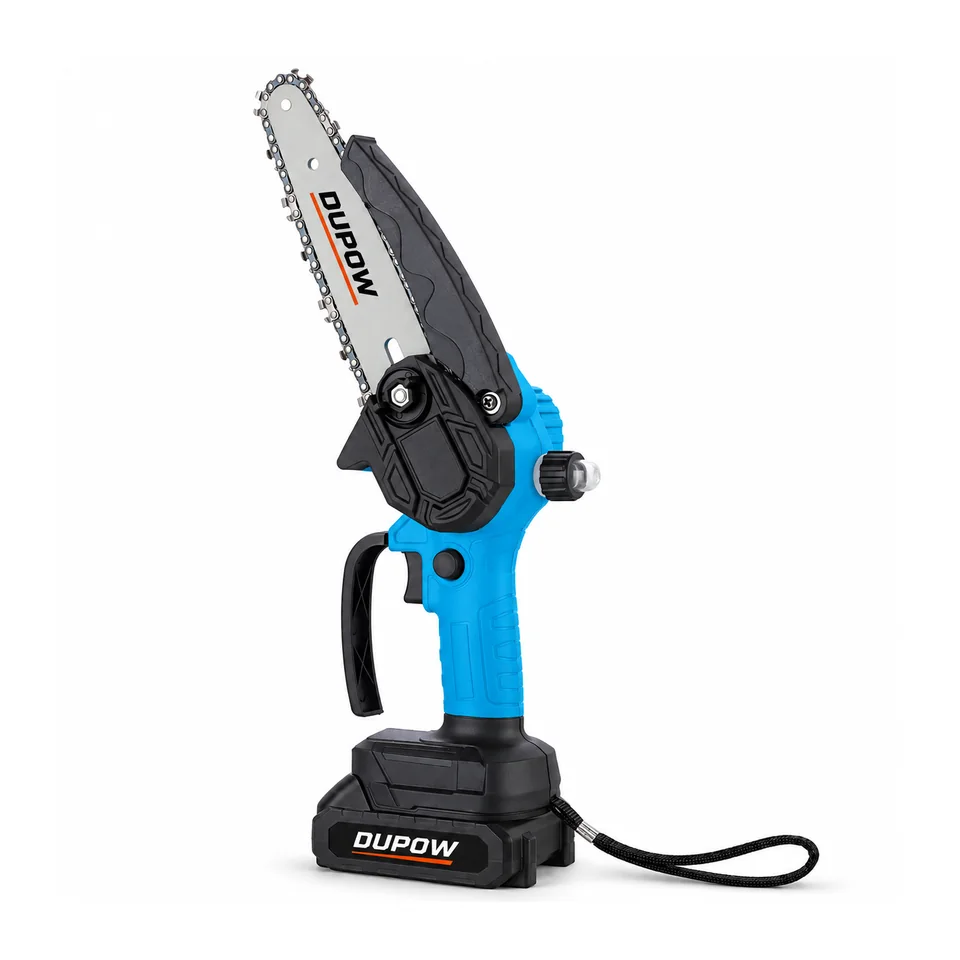
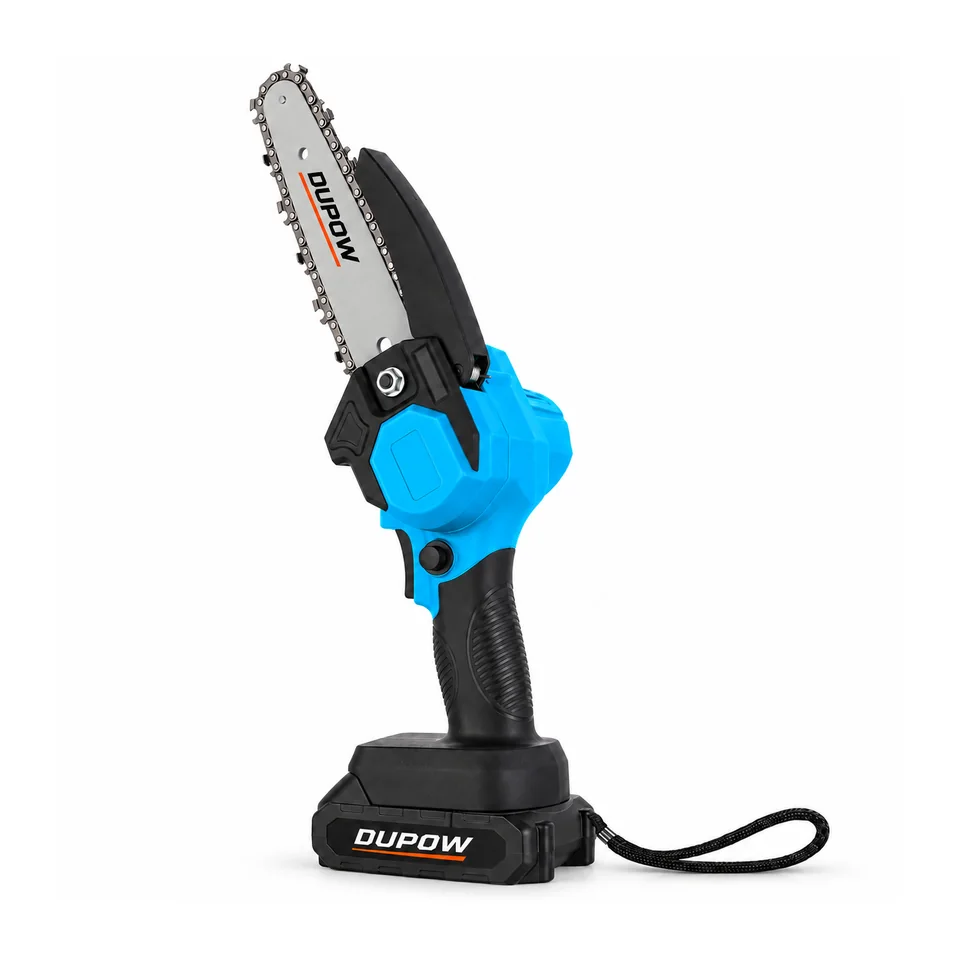
DUP-CHS-010 and DUP-CHS-013 are both listed as compact 6-inch cordless chainsaws. Use separate scale records for each model and kit. For a handling comparison, define the same bar, chain and cover state for both. For a pack with a different number of batteries, create a new retail-kit record even if the tool itself stays the same.
Reconcile the scale record and the order
Photograph the scale reading and the item beside it. Identify the model or carton label in the same sequence. Where a logistics quote also uses dimensions, give the carrier the measured carton dimensions and actual gross weight as separate fields. Use the resulting quote for the freight comparison rather than publishing a freight weight as an ergonomic product specification.
Buyer FAQs
Can I multiply bare-tool weight by carton quantity?
That excludes the kit and packaging. Use a sealed carton reading or document each component of a clearly labeled estimate.
When should I update the weights?
Recheck the affected level whenever pack count, accessories, retail packaging or master-carton packing changes.
Read the related guide on Private-Label Tool Packaging Checklist or request a model-specific quotation with the configuration you need.