Read mitre saw capacity at the angle combination the buyer actually uses. Record both the mitre and bevel settings and both workpiece dimensions. A single headline capacity cannot describe the usable work envelope for all cuts.
| Model | Blade | 0° × 0° | 45° × 0° | 0° × 45° | 45° × 45° |
|---|---|---|---|---|---|
| DUP-MS-005 | 185 mm | 203 × 60 mm | 145 × 60 mm | Request data | Request data |
| DUP-MS-006 | 210 mm | 305 × 70 mm | 215 × 70 mm | 305 × 35 mm | 215 × 35 mm |
| DUP-MS-007 | 210 mm | 200 × 60 mm | 83 × 60 mm | 200 × 34 mm | 80 × 34 mm |
The table keeps the catalogue’s listed angle pair and dimensional order. Ask the supplier to identify the angle axes, side and workpiece orientation in the approval record. A missing entry needs its own evidence.
Approve the cut envelope on the intended stock
Choose one straight cut and one representative angle combination from the buyer’s material list. Record the support, clamp and setup prescribed for the machine. If a slide or extension is relevant, verify the exact configuration and ask which supports ship. Use the same material profile and angle when comparing sample outcomes.
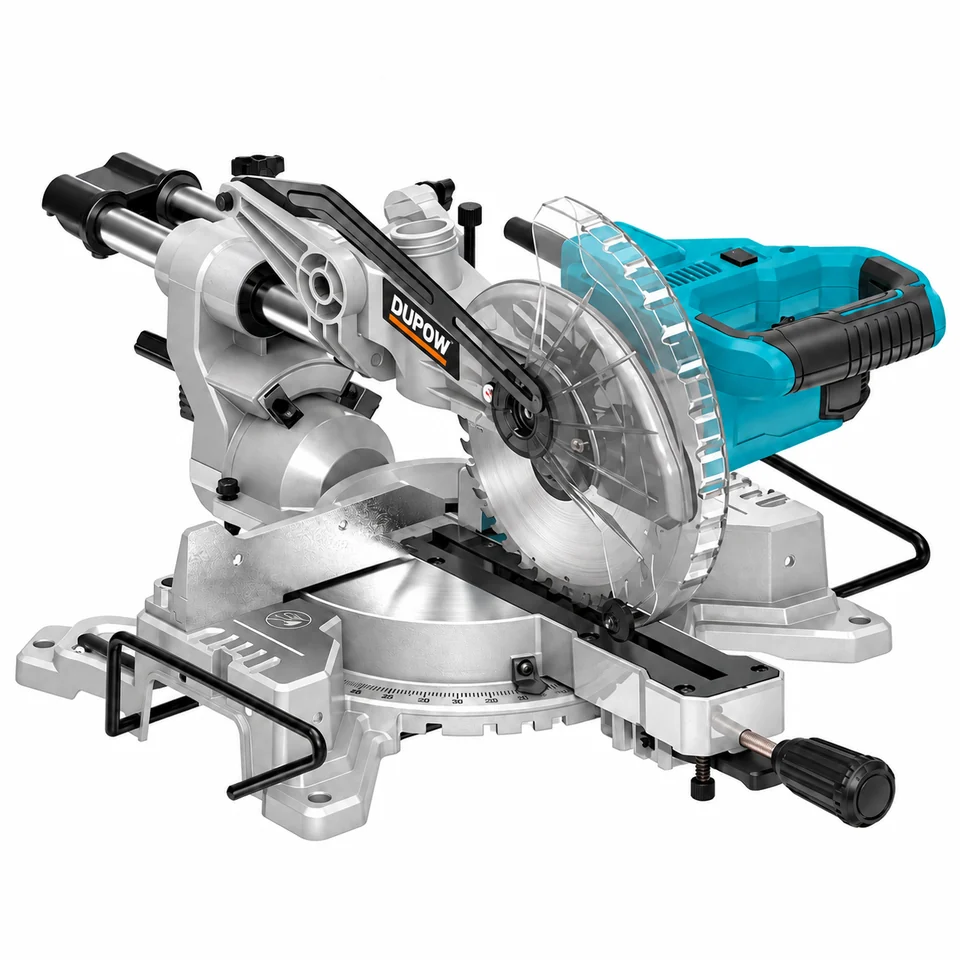
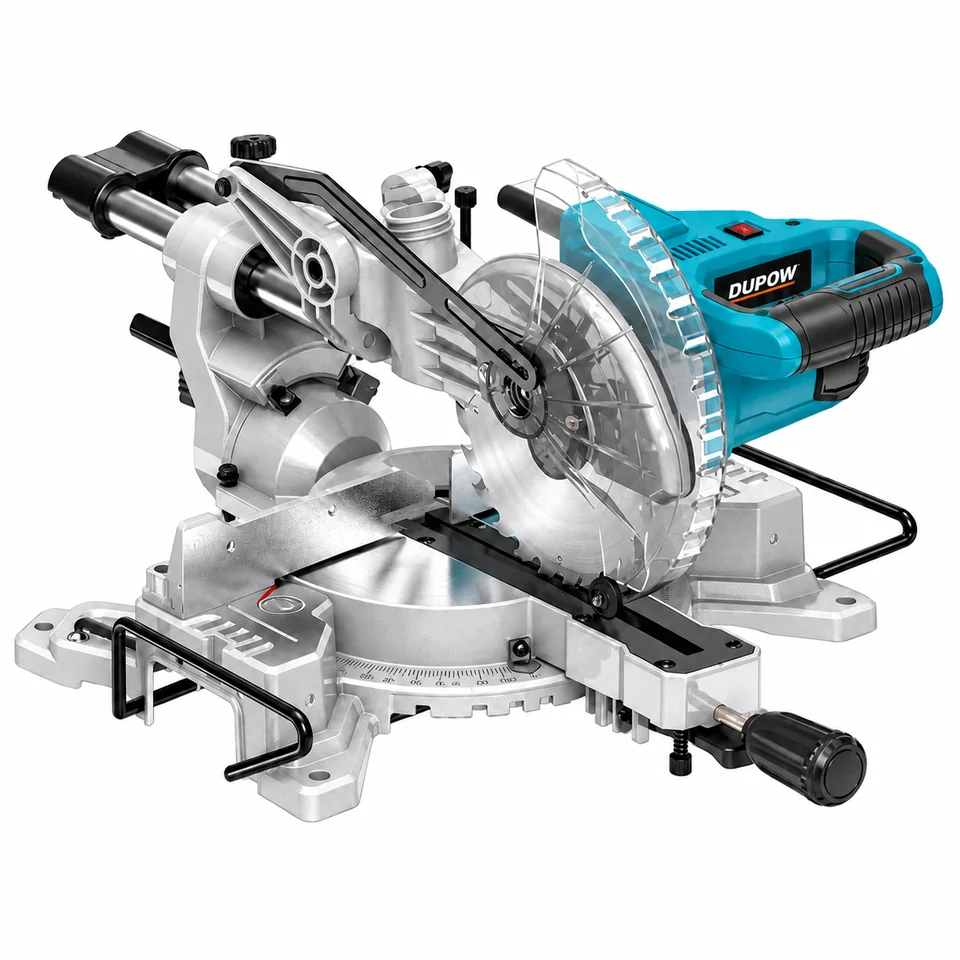
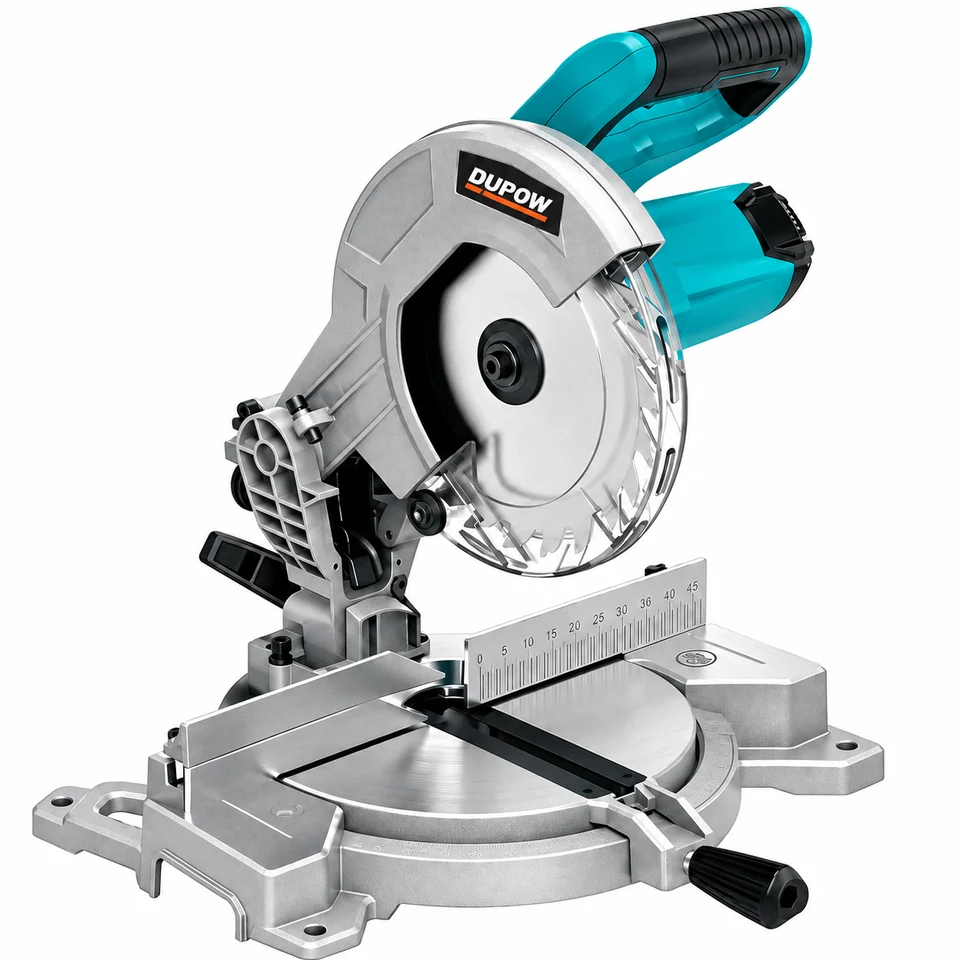
Buyer FAQs
Do two 210 mm blades imply the same capacity?
Compare the model-specific entries. MS-006 and MS-007 show different listed capacities despite the shared diameter.
Can I derive a compound capacity from the straight-cut value?
Use the supplier’s angle-specific measurement or approved sample check for that combination.
Read the related guide on Build a portable saw range around cutting jobs or request a model-specific quotation with the configuration you need.