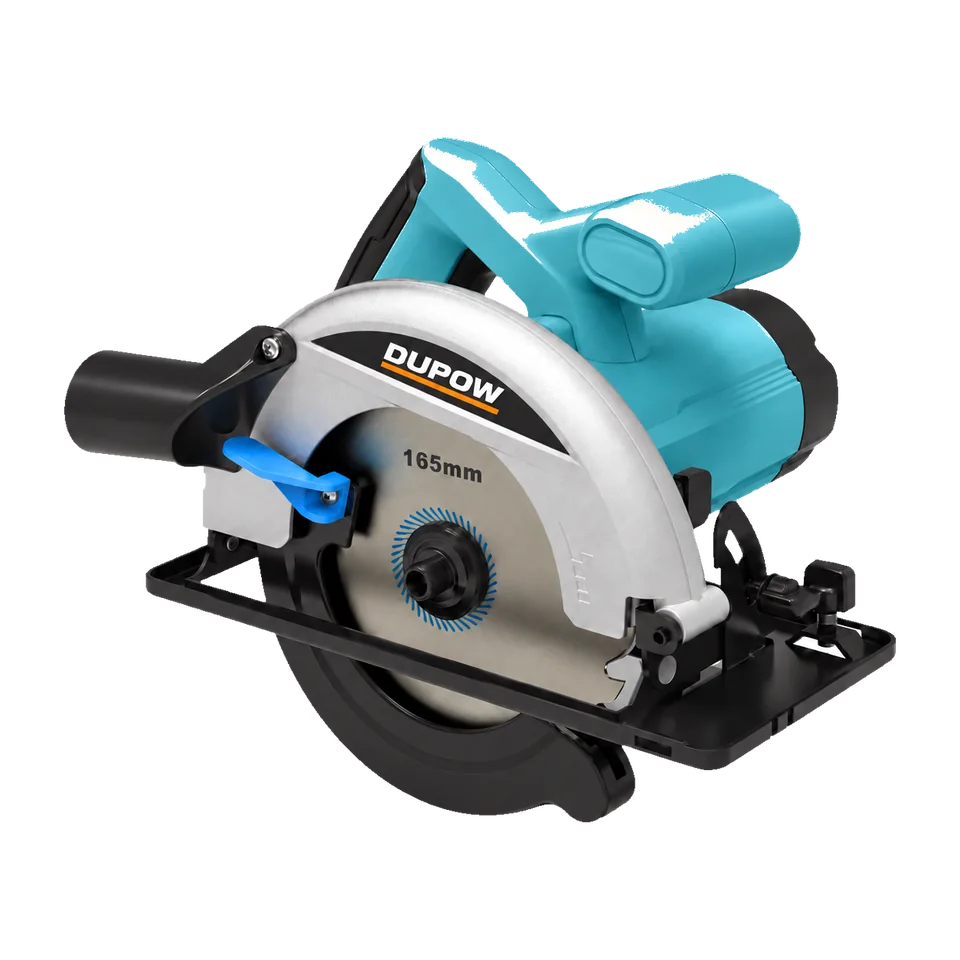
“Saw manufacturer” is a broad search. The useful commercial decision is which cutting tasks, capacities and user levels each SKU must cover, then which exact model and factory configuration supports them.
Circular saws
Prioritize blade diameter, maximum cut at 90° and 45°, base alignment, guard action and dust extraction.
Jigsaws
Compare stroke, wood and steel capacity, orbital settings, speed control, blade interface and base adjustment.
Reciprocating saws
Confirm stroke length, speed, shoe adjustment, blade change, vibration control and target demolition materials.
Battery models
Treat tool, pack, charger, battery transport files and service parts as one platform decision.
Use one range brief, then separate model approvals
Start with target users and retail price positions, but approve every model separately. Shared colour and packaging do not prove shared technical construction or document scope. Browse the handheld saw and cutting range, then narrow into circular saws, jigsaws or reciprocating saws.
Freeze the blade and capacity data
Ask for blade diameter, bore, included blade specification, maximum cutting capacity by material and angle, and any speed range. If the commercial offer changes the blade or accessory set, repeat the approval check because cutting performance and packaging may also change.
Confirm the market and retail pack
- Voltage, frequency, plug, cord and rating label.
- Base, guard, fence or guide components and supplied tools.
- Manual languages, carton data and barcode placement.
- Spare blade, brush and service-part plan where relevant.
- Exact-model evidence and destination-market review.
Build a comparable RFQ
State annual range intent as well as the opening order. A factory quotation for one model cannot be compared fairly with a multi-SKU program unless the included accessories, packaging and evidence work are aligned. Use the DUPOW RFQ guide to eliminate hidden assumptions.
Specifications and evidence must be confirmed for the exact selected model, configuration and destination. Product-page data is a sourcing reference, not a binding quotation.