Compare portable table saws with three separate dimensions: vertical cut height, rip capacity at the fence and usable support area. The table size and blade diameter help describe the machine. They do not give the fence’s maximum usable rip width.
| Model | Listed cut height at 90° and 45° | Listed steel table | Support check |
|---|---|---|---|
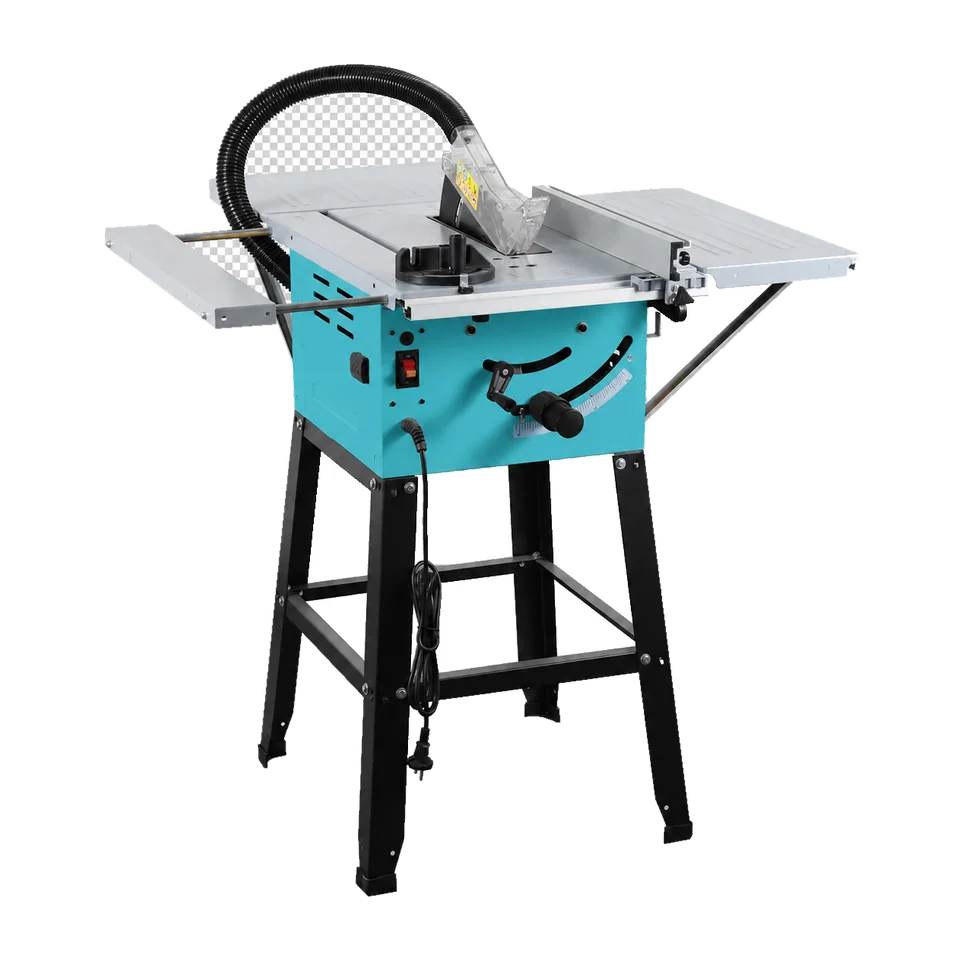
| DUP-TS-001 | 74 mm and 63 mm | 510 × 625 mm | Working area with extensions listed at 932 × 945 mm |
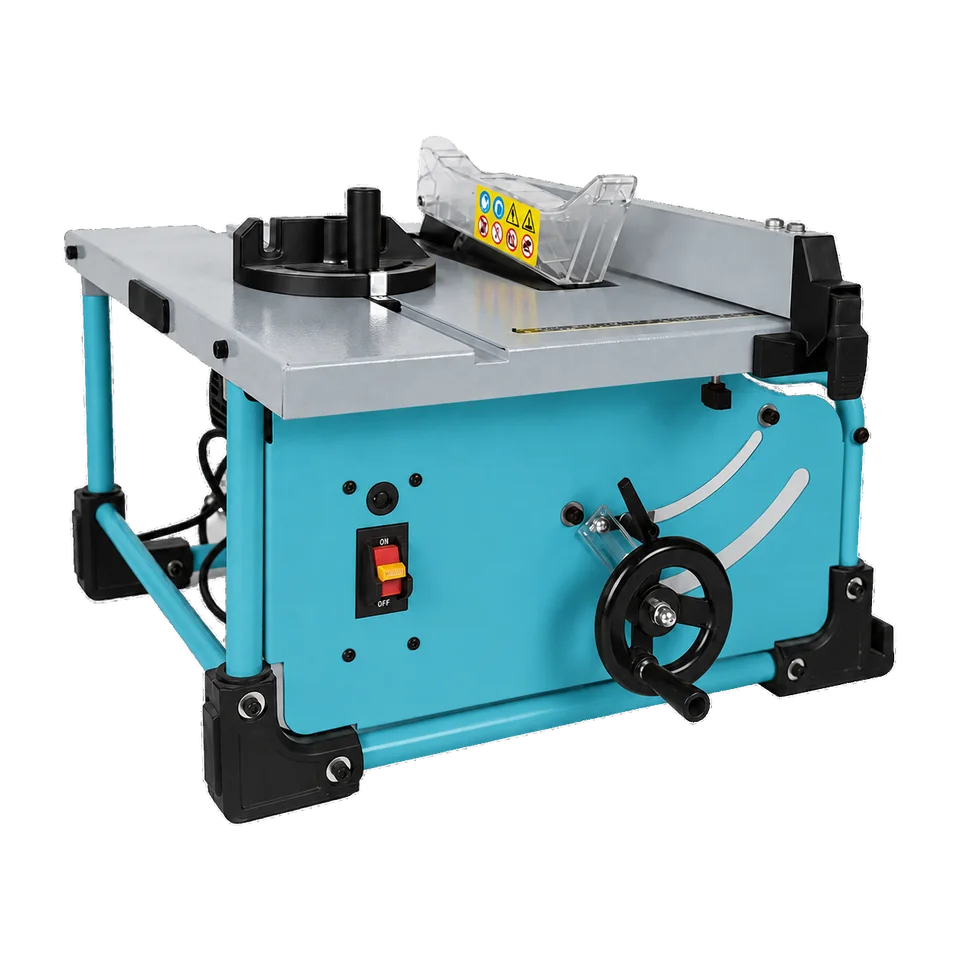
| DUP-TS-002 | 54 mm and 45 mm | 430 × 530 mm | Quote version with or without extensions |
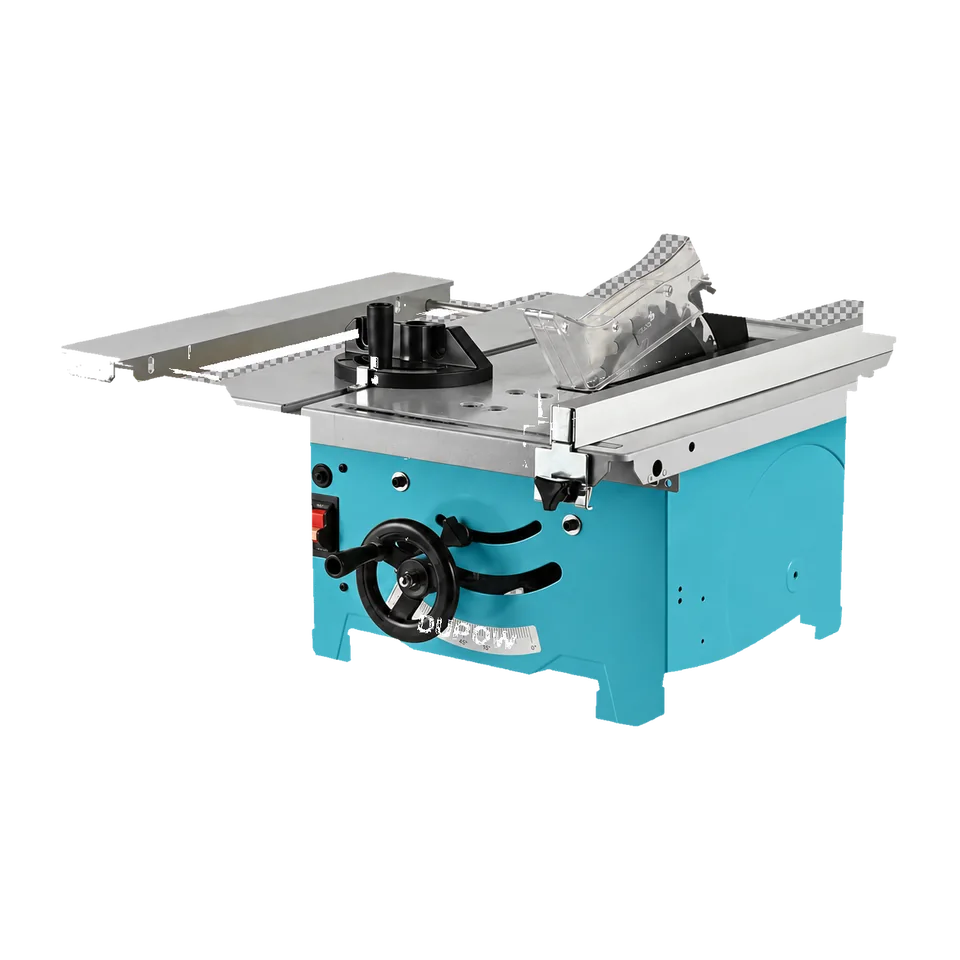
| DUP-TS-003 | 52 mm and 33 mm | 375 × 480 mm | Confirm support and included setup |
Specify the rip width separately
Request the maximum usable rip capacity for the supplied fence and configuration. Ask whether the value depends on an extension or fence position. Bosch Professional’s GTS 635-216 specification is an example of listing cutting height and cutting capacity as separate entries. Use the exact DUPOW measurement for your offer.
Compare the jobsite or counter setup
Document how the machine is supported for the intended workpiece. Identify stand, fence, guards, extraction adapter and extensions included in the shipment. Each listed model above has a 36 mm dust port, which still leaves the fit of the buyer’s connector to verify. Record the approved configuration in the photos and packing worksheet.
Buyer FAQs
Can table width be used as the rip specification?
Use the measured fence-to-blade capacity in the supported configuration.
Can two 210 mm saws share the same cut-height entry?
Keep each model’s angle-specific height as listed. A shared blade diameter does not make their geometry identical.
Read the related guide on Build a portable saw range around cutting jobs or request a model-specific quotation with the configuration you need.