When a supplier proposes a tool with a GS mark, a buyer needs a record that connects the mark, the issuing organization and the exact product version. A familiar symbol on a sales sheet leaves important purchasing questions unanswered if the certificate holder, model or configuration is unclear.
The aim of this review is to establish which GS claim belongs to the product being ordered and which information needs clarification before approving labels and packaging. Keep the outcome in the model's purchasing file so a later reorder can use the same identity record.
Identify the mark and the issuing organization
GS is a product safety mark, not the name of a testing company. SGS is the name of a separate testing and certification organization. Keep these terms distinct when requesting documents or naming the authority that should answer a query.
Ask for the complete mark as proposed for the product, the issuing organization's name and the certificate or identifying number supplied for the claim. Use the actual issuer's verification route. A GS certificate should not be assigned to one organization merely because that organization is a familiar name in the buyer's market.
TÜV Rheinland's GS explanation describes its certificate identifiers and the corresponding Certipedia lookup route. It also describes GS testing as voluntary. That source is useful for understanding a TÜV Rheinland-issued GS claim; certificates from another issuer need their own corresponding checks.
Assemble the complete certificate record
Request the certificate and any referenced pages needed to identify the listed product and its variants. Keep the holder, manufacturer information, product designation, model references and certificate dates as separate fields in the review sheet.
The buyer's quoted name may differ from a supplier's model designation. If it does, preserve both and ask for their documented relationship. Do not change the supplier's model spelling in a copied certificate simply to make it match the purchase order.
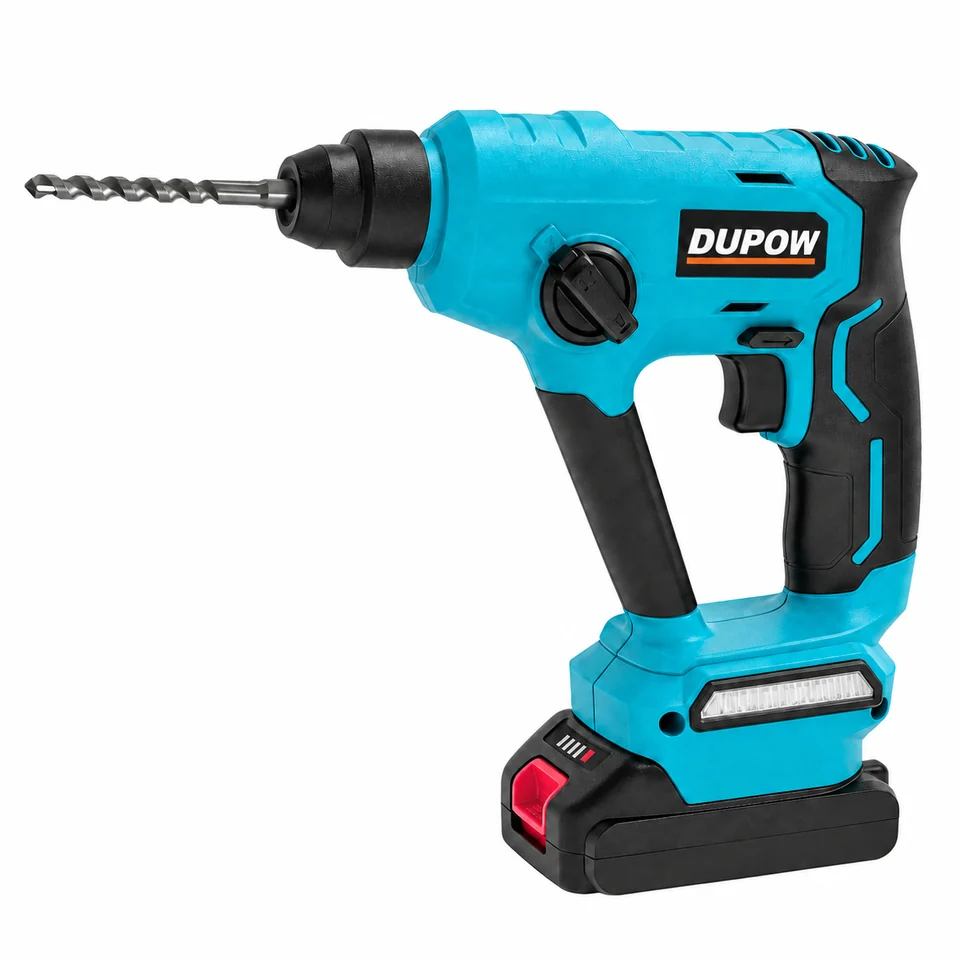
Use catalogue references such as DUP-RH-001 to identify the product under discussion. The catalogue reference itself does not establish a GS certification. The claim must be assessed against the relevant certificate and scope for the product and configuration offered.
Compare the scope with the proposed order
Build a row for each model or version you intend to buy. Check the model designation and product description, then compare the available electrical and configuration information with the quotation and sample label. Retain model suffixes rather than assume that a nearby designation covers the same product.
For a battery-tool offer, identify the tool, battery and charger in the order record. Ask which part of that configuration the supplied document concerns. A single image of a certificate is not a reason to collapse several items into one unqualified certification statement.
| Review field | Record to compare | Question to resolve before approval |
|---|---|---|
| Issuer | Mark and certificate | Which organization's official route applies? |
| Holder and product identity | Certificate, quotation and sample label | Do the supplied names describe the offered product? |
| Model and variants | Listed designation and ordered designation | Is the relationship between different names documented? |
| Configuration | Product description and quoted supply version | Does the scope correspond to what will be supplied? |
| Certificate dates and status | Supplied record and issuer information | Which current record supports the claim? |
| Changes since approval | Last accepted model file and proposed revision | What needs the issuer's clarification? |
The worksheet records a buyer's review. It should point to the supporting evidence rather than replace the certificate or the issuer's explanation.
Use the issuer's verification information
For a TÜV Rheinland-issued claim, its GS information page explains that identifying numbers, certificate numbers, product names or manufacturer names can be used through Certipedia. Save the reference used and the information found for the purchase file.
Look at the record behind the identifier. A QR code or a copied image should lead to information that can be related to the offered product. If the result is incomplete or different from the supplier's claim, record the exact field that needs an answer.
This review does not require a buyer to draw a technical conclusion from a similar product's certificate. Ask for clarification of the product actually being ordered. Keep an unresolved difference visible until the appropriate evidence or explanation is available.
Review changes before approving artwork
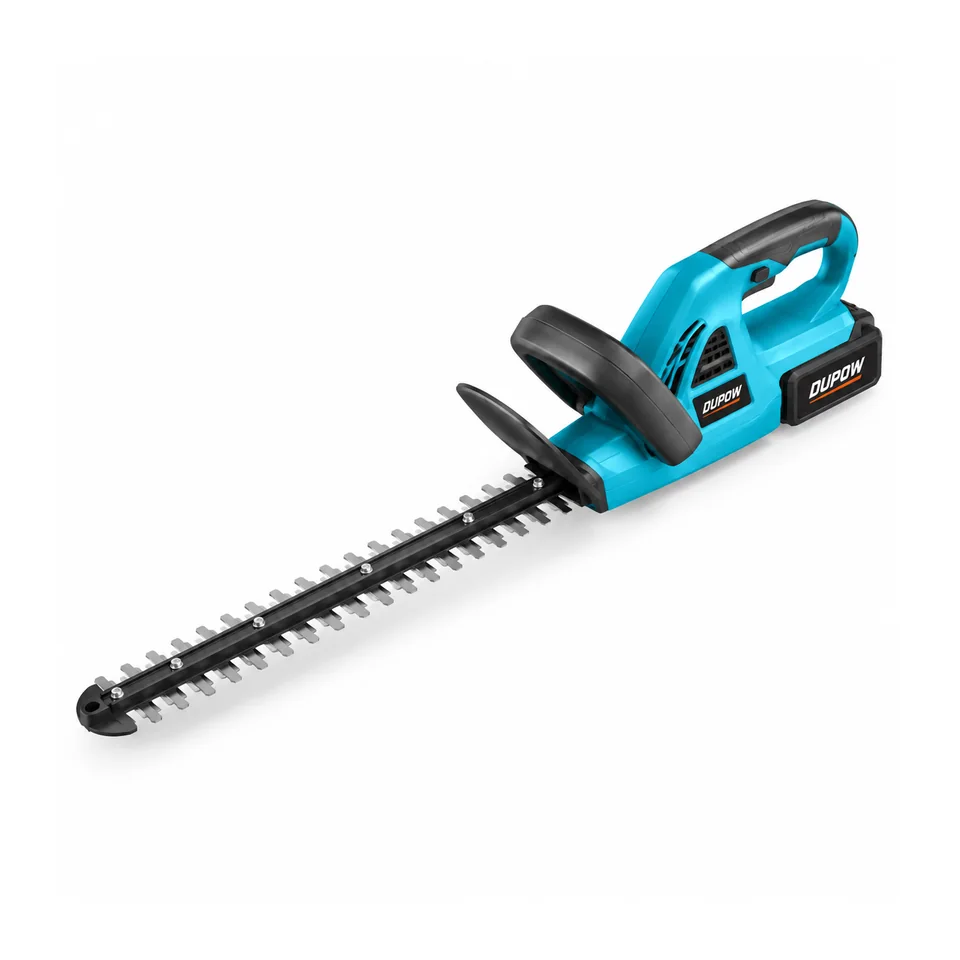
A product offered under a different brand or model name needs a clear identity record. Agree the proposed name, label and configuration before finalizing packaging. A change in the commercial presentation should not silently overwrite the references used in the certificate review.
TÜV Rheinland also states that intended product changes must be referred to the responsible GS test center in advance. For the buyer's workflow, keep proposed changes in a separate revision list and seek the relevant issuer's answer where the certification claim is affected.
The private-label packaging checklist covers the broader artwork approval process. The GS review should provide the exact identity and approved wording that the artwork team is expected to use.
Keep different documentation decisions separate
Manage GS evidence and CE-related documents as distinct records in the order file. The exact-model CE guide addresses a different document-review question. A complete purchasing file can point to each applicable record without describing one document as a substitute for another.
Include the destination market, proposed model, branding and documentation requested in the RFQ brief. That gives the sourcing team a defined product and a specific evidence request to address.
Buyer FAQs
Are GS and SGS the same thing?
No. GS is a product safety mark. SGS is a testing and certification organization. Identify the actual issuer named on the relevant document.
Should every GS claim be checked through Certipedia?
Use the route corresponding to the issuer. TÜV Rheinland describes Certipedia for its own certificate information; another issuer's certificate needs the appropriate official verification route.
What if the quoted model name differs from the certificate?
Retain both names and request a documented explanation of their relationship. Do not edit the certificate or assume that a similar designation covers the order.
Do the pictured DUPOW models have a GS certification confirmed here?
No. They illustrate how to identify a product for the worksheet. A GS statement for a particular offer requires the relevant issuer's record and scope.
Discuss a model-specific document review with the destination, model and configuration you intend to order.